
Most first-timers cancel Goa the moment they hear “monsoon.” And honestly, if your entire plan is beach shacks, jet skis, and all-day tanning, they are right to cancel. That version of Goa shuts down by June. But there is a completely different Goa that opens up when the rain hits, and in our years of sending travellers here through every season, we can tell you it is one of the most underrated trips you can take.
This is not the usual “Goa is beautiful in the rains” fluff. This guide covers what actually works in June and July 2026, what does not, what costs what, and how to plan a trip that does not fall apart at the first downpour. If you are considering things to do in Goa in monsoon, start here.
Quick Answer: What Are the Best Things to Do in Goa in Monsoon?
The best monsoon activities in Goa are the ones that do not depend on clear skies all day. Mhadei river rafting near Valpoi is the big one. Fontainhas heritage walks and Old Goa church visits work well in light rain. Spice plantation tours with a Goan lunch, museums like Goa Chitra and Museum of Goa, fort viewpoints during rain breaks, island drives to Divar and Chorao, casino evenings, and slow food trails through Panjim all make for a solid monsoon itinerary.
Do not plan your trip around beach swimming, water sports, Dudhsagar jeep safaris, or remote waterfall treks. These are not guaranteed in June and July, and building your itinerary around them is how people end up stuck in a hotel room feeling cheated.
Talk to our Goa team on WhatsApp
Is Goa Worth Visiting in Monsoon, Especially in June and July?
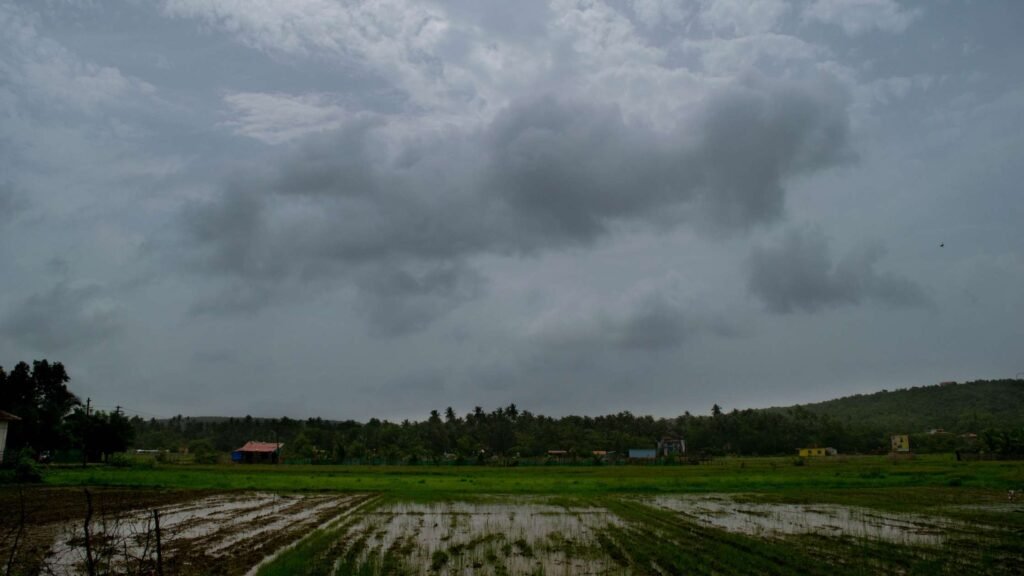
Yes, but not for the same reasons you would visit in December. Goa in June and July is for couples who want quiet resorts at half the peak-season price, honeymooners who want privacy without a crowd at every sunset point, families looking for a slower trip with heritage and nature, and photographers who want green hills and dramatic skies instead of the usual postcard shots.
The landscape changes completely. The Western Ghats behind Goa turn a deep green, the rivers fill up, waterfalls appear on hillsides you would never notice in winter, and the whole place feels cooler and less frantic. Hotel rates drop significantly because demand is low.
July is wetter than June. Around 90% of Goa’s annual rainfall happens during the monsoon months, and July alone dumps more than 995 mm of rain. If you are travelling in July, build more buffer time into your plan. June gives you slightly more windows of clear weather.
What most tourists get wrong about monsoon Goa is treating it like a regular beach holiday with an umbrella. It is not. It is a different kind of trip, and the ones who enjoy it are the ones who plan for what actually works. If you want help planning the right way, check out our Goa tour packages that we adjust by season.
What Actually Works in Goa During Monsoon?
Not everything works every day. Rain intensity decides your final plan. The smart move is to pick from a menu of activities each morning based on the weather, not lock yourself into a rigid schedule. Here is what belongs on that menu.
Mhadei White Water Rafting Near Valpoi

This is the single best monsoon activity in Goa, and most people outside Goa have never heard of it. The Mhadei River near Valpoi fills up during the monsoon, and the rapids are strong enough for a proper rafting run.
Rafting costs ₹1,800 per person. The morning session has reporting at 9:30 am and the afternoon session at 2:30 pm. The whole experience runs 2.5 to 3.5 hours depending on water levels and the route. Minimum age is around 12 years, though this can change depending on how high the water is that day.
One thing to know: the exact season start date differs across sources. Some say June, some say mid-June, some say July. Verify the start date with the operator or with us before you finalise your dates. Calangute to the Valpoi rafting area is about 49 to 51 km by road, so plan for a full half-day outing.
In our experience, this is the one activity our monsoon travellers talk about the most after the trip. It is not a lazy river float. The rapids are real, and you come back soaked and buzzing.
Fontainhas and Old Goa Heritage Walks
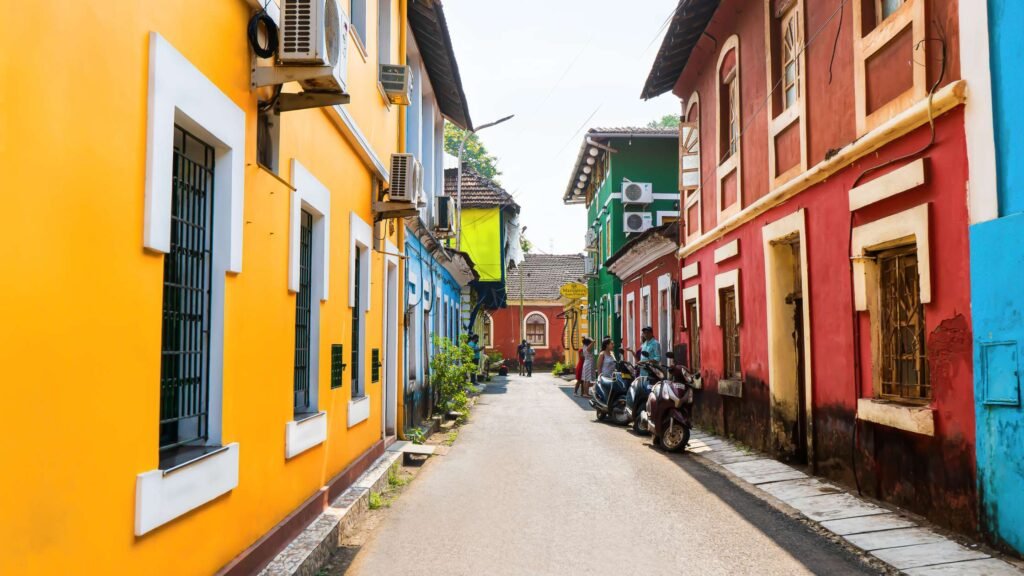
Fontainhas is the old Latin Quarter in Panjim, and it is one of the few places in India where you can walk through narrow lanes lined with coloured Portuguese-era houses, duck into a bakery for a beef croquette, and feel like you have left the country entirely. It works brilliantly in light monsoon rain because the lanes are short, there is shade, and the colours look even better when the walls are wet.
Old Goa is about 10 km east of Panjim. The Basilica of Bom Jesus, Se Cathedral, and the cluster of churches there are all indoors or covered, which makes them ideal rainy-day visits.
Our team recommends combining Fontainhas and Old Goa into a single half-day. Panjim KTC bus stand to Fontainhas is about 3 km. Carry a compact umbrella, wear shoes that can handle puddles, and avoid going during heavy afternoon downpours when the lanes flood a bit. Morning walks between 9 am and 12 pm tend to get the best light and the least rain.
Spice Plantation Visits With Goan Lunch
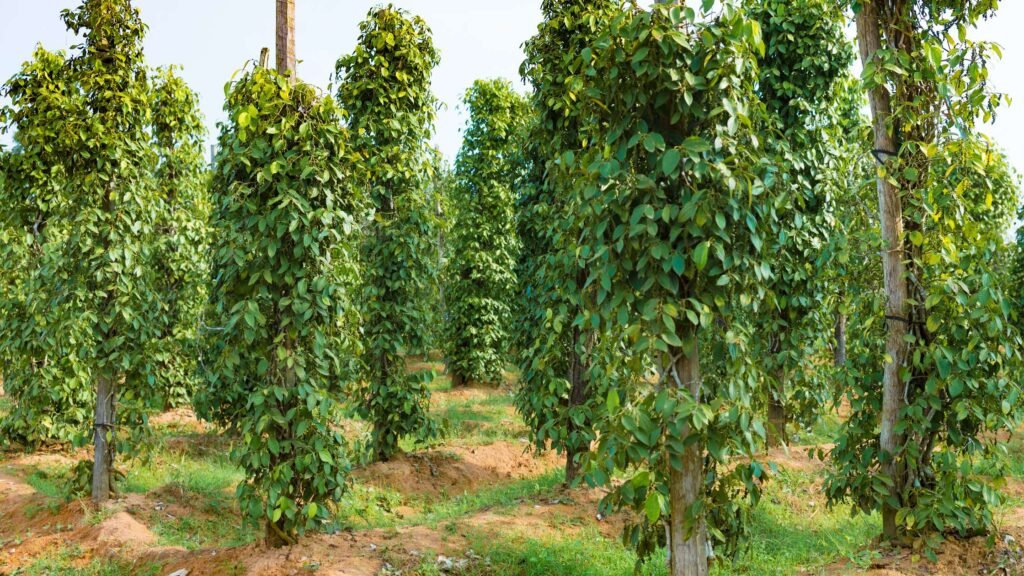
Spice farms are at their greenest during monsoon, and the overcast sky means you are not sweating through the tour. Most plantations offer a guided walk through the farm, show you how cashew feni is made, and end with a traditional Goan lunch with fish curry, pork vindaloo, and local sweets.
These work well for families, couples, and groups. Verify the timing, lunch inclusion, and road condition before booking, especially in July when heavy rain can make interior roads tricky.
Museums and Indoor Rainy-Day Stops
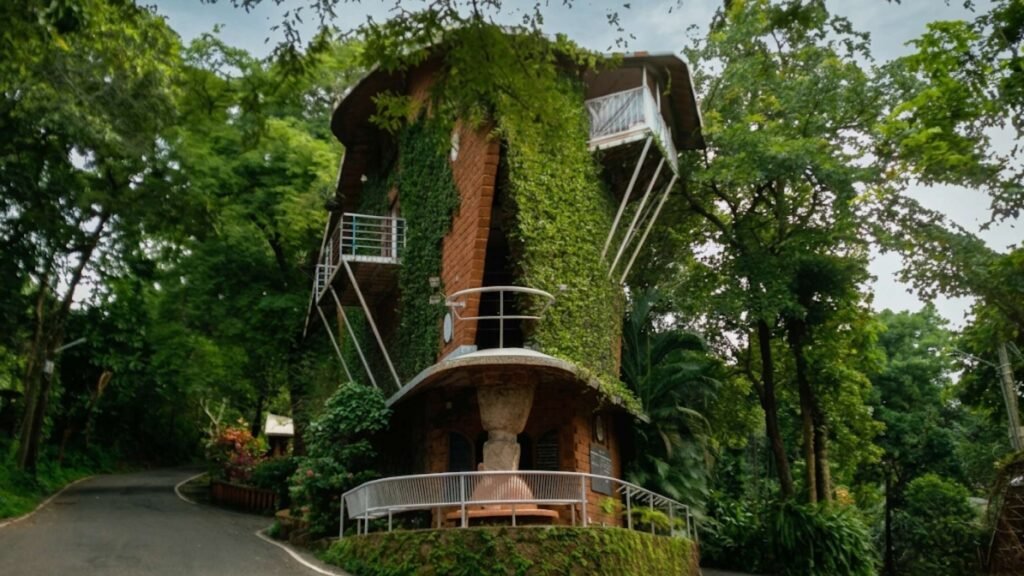
When it pours for hours straight, and in July it will, you need solid indoor options. Goa has surprisingly good ones.
Goa Chitra near Benaulim is a museum of traditional Goan objects, farming tools, and everyday items from centuries past. It is open 9 am to 6 pm, and tickets are ₹150 for one museum, ₹250 for two, and ₹300 for all three galleries. It is oddly absorbing. You walk in expecting to spend 30 minutes and come out two hours later.
Museum of Goa (MOG) in Pilerne is a contemporary art museum. Tickets are ₹300 for adults, ₹150 for visitors below 18, and ₹150 for students above 18. Last entry is around 5 pm. It is air-conditioned, well-laid-out, and a genuine change of pace from the usual temple-and-fort circuit.
The Houses of Goa museum in Torda is tiny but interesting if you care about Goan architecture. The Museum of Christian Art near Old Goa is another short indoor stop. And honestly, a long lunch at a good Panjim cafe with a book and a cold beer is its own valid rainy-day plan.
Fort Viewpoints That Work Between Rain Showers
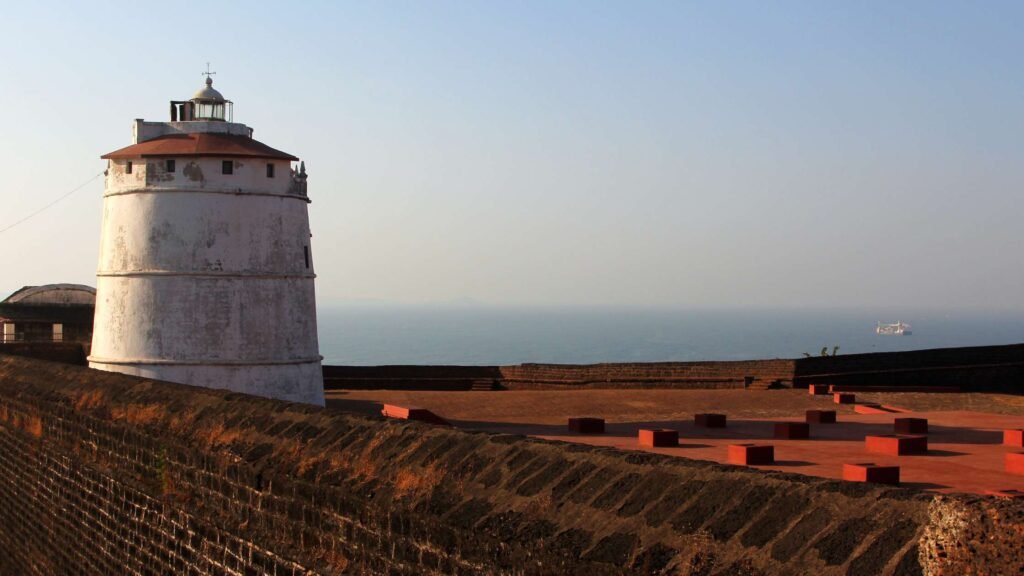
Goa’s forts are worth seeing in monsoon for the views alone. The sea turns grey and rough, the sky goes dramatic, and the coastline looks nothing like the sunny postcards.
Reis Magos Fort is open Tuesday to Sunday, 11 am to 5:30 pm. It is well-maintained, has an indoor gallery, and sits right on the Mandovi river mouth.
Fort Aguada is about 14 km from Panjim and gives you a wide view of the coast. Chapora Fort is the Dil Chahta Hai wall everyone photographs, and it is a short climb with a huge payoff in terms of the view. Cabo de Rama in South Goa is more remote and dramatic, with cliffs dropping into the sea.
A word of honest warning: fort walls and steps get dangerously slippery in the rain. The stones are old and uneven. Strong winds near cliff edges are real. Treat forts as short viewpoint stops during dry spells, not long exposed walks during a downpour.
Divar Island, Chorao Island and Slow Village Drives
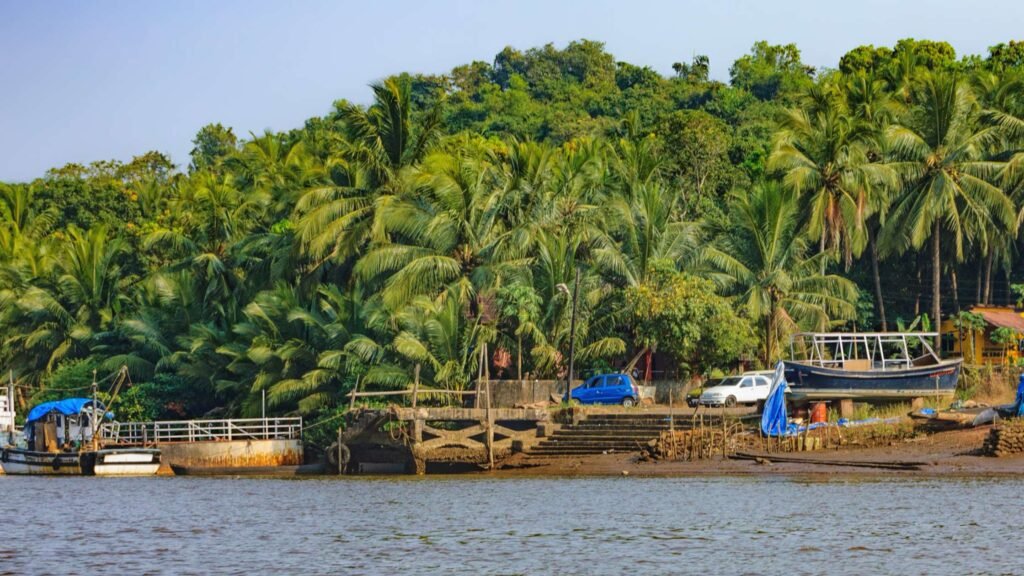
Divar Island and Chorao Island sit in the Mandovi river, connected by small ferries. In monsoon, the green is unreal. Old churches, quiet village roads, rice paddies, and almost zero tourists. Chorao has the Dr. Salim Ali Bird Sanctuary, which is worth visiting if you care about birding.
We usually suggest these as a relaxed half-day drive. Take a private cab or go with someone who knows the roads. Riding a scooter to these islands in heavy rain is a bad idea. The ferry crossings are short and safe, but the village roads can be slippery and narrow.
Casinos, Live Music, Cafes and Goan Food Trails

These are your evening and heavy-rain backup plans, and they are better than they sound.
Panjim has a few floating casinos on the Mandovi that stay open through monsoon. If you enjoy card games or roulette, a casino evening is a decent way to spend a rainy night. If you do not gamble, skip it. The “unlimited food and drinks” packages are overpriced for what you actually get, and most non-gamblers leave bored within an hour.
What works better for most people is a Goan food trail. For proper Goan fish thali, the small places in Panjim and around Calangute serve the real thing at half the price of beach shacks. A full thali with fish curry, rice, and fried fish costs around ₹250 at a local spot. The North Goa cafe scene is strong too, with good coffee, bakeries, and live music nights at places in Baga and Anjuna.
What Does Not Work Reliably in Goa in June–July?
This is the section most monsoon guides skip, and it is the one that matters most. If you plan around these activities, you will likely end up disappointed.
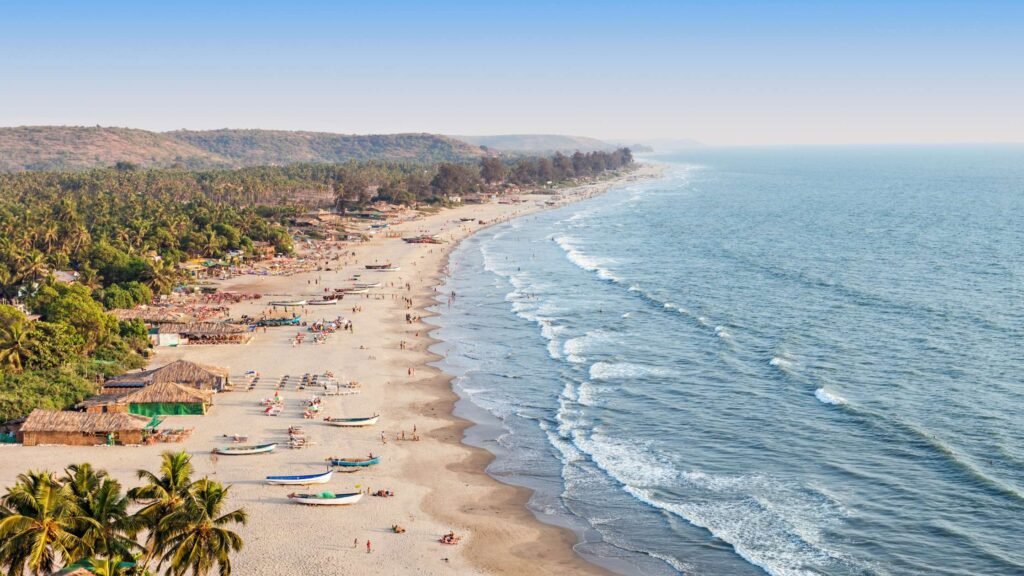
Beach swimming is restricted or unsafe on most days. Beach water sports like jet skis, parasailing, and banana boats do not operate in unsafe weather, monsoon, storms, or notified banned periods. All-day beach shack hopping does not work because most beach shacks close for monsoon. Anjuna Flea Market does not run in its usual form. Late-night scooter rides in heavy rain on wet Goan roads with poor lighting are genuinely dangerous. Remote waterfall treks are risky because the trails get slippery and streams swell without warning.
Dudhsagar jeep safari in June and July is good because monsoon closures and safety restrictions may apply. The Dudhsagar trekking route has a daily cap of 500 trekkers, a booking fee of ₹527 plus GST, requires one guide per group of 10, and photo ID. You cannot carry alcohol or plastics. But whether the trek or the jeep safari actually operates in your specific week depends on conditions.
None of these are always impossible. Some days in June the sun comes out and everything opens. But they should not be the backbone of your plan.
Talk to our Goa team on WhatsApp
Are Goa Beaches Open During Monsoon?
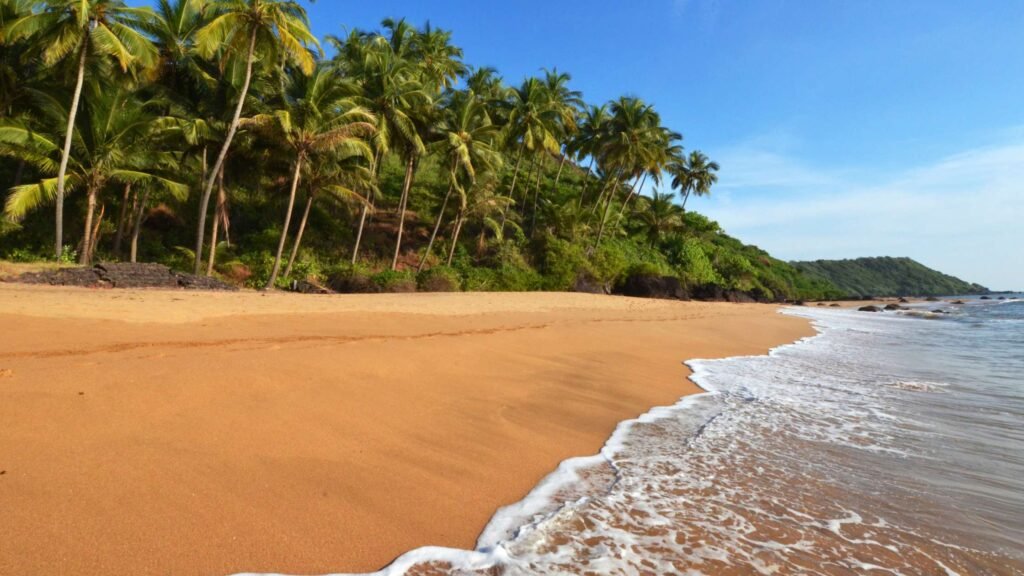
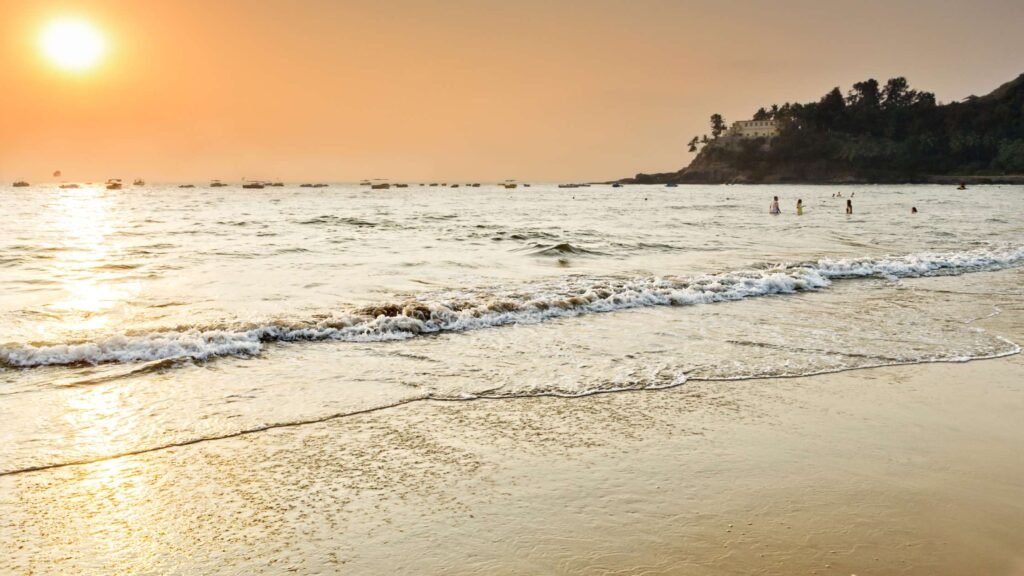
Yes, Goa beaches are open from 7 am to sunset. You can walk on the sand, sit at a chai stall, watch the rough sea, and take photos. The beaches look different during monsoon. The waves are big, the sky changes colour every hour, and the sand is mostly empty.
You cannot swim after sunset. During the day, you should only swim in marked swim zones and stay away from red-flag areas. Lifeguards post flags daily based on conditions, and on most monsoon days, the red flags are out.
Our honest advice: plan beaches as walk-and-watch stops, not swim-and-stay stops. A 30-minute beach walk during a rain break followed by chai at a nearby shop is one of the nicest things about monsoon Goa. Just do not make beach time the centre of your day. For a detailed breakdown of every major beach, read our guide to the best beaches in Goa.
North Goa or South Goa in Monsoon: Which Is Better?
North Goa gives you more to do on rainy days. The cafes, nightlife, casinos, Fontainhas, Old Goa churches, Fort Aguada, Reis Magos, and the general infrastructure make it easier to fill a day even when it rains non-stop. Transport is easier and you have more backup options within a short drive.
South Goa is better if you want a quiet resort holiday with fewer plans. Couples, honeymooners, and people who want to read by the pool during the rain will prefer it. Spice plantations, Cabo de Rama, and the slower pace suit people who do not need a packed schedule.
Best 3-Day Goa Monsoon Itinerary
Three days is tight but doable if the weather cooperates and you do not try to cover everything.
Day 1 starts with your airport pickup and transfer to your hotel. If you land by noon, head to Panjim after checking in. Walk through Fontainhas in the afternoon, stop for a coffee and a pastry at one of the cafes, and then drive to Old Goa for the churches if the rain is light. Evening is for a Panjim food trail or a casino night on the Mandovi.
Day 2 is your activity day. If Mhadei rafting is running and the water levels are right, this is your morning. Leave early, finish by afternoon, and spend the evening at a North Goa cafe or a beach walk during a dry spell. If rafting is not available, swap in a spice plantation visit with lunch and a fort viewpoint stop at Reis Magos or Aguada on the way back.
Day 3 depends on your hotel location. If you are in North Goa, do a scenic circuit covering Vagator cliffs, Anjuna, Chapora Fort, and a museum stop. If you are in South Goa, drive down to Cabo de Rama and explore the quieter stretches. Keep the last evening free for packing and a goodbye dinner.
Best 4-Day Goa Monsoon Itinerary
Four days is the sweet spot for monsoon Goa because you get a buffer day, and you will need it.
Day 1 follows the same plan as above. Airport transfer, check in, Panjim, Fontainhas, Old Goa, evening food trail.
Day 2 is for Mhadei rafting if it is running. If not, do the spice plantation in the morning and a museum stop at Goa Chitra or Museum of Goa in the afternoon. Evening is free for cafes, live music, or a casino visit.
Day 3 is your island and heritage day. Take a cab to Divar Island, ride the ferry, explore the old churches and village roads, and stop at Chorao Island for birding if the weather allows. On the way back, hit a fort viewpoint during a rain break. Spend the evening on a short beach walk and dinner at a local fish thali place.
Day 4 is your slow day. Sleep in, pack at your pace, grab a long brunch, and do one last stop on the way to the airport. This buffer day is what saves the trip when Day 2 or Day 3 gets washed out by heavy rain.
What we always tell our travellers is to keep at least one day unplanned during monsoon. The weather decides your schedule more than you do.
Cost of a Goa Monsoon Trip in June–July
Monsoon trips cost less than peak season, mainly because hotels drop their rates. Here is how the major expenses break down.
Airport transfers depend on the app or service you use. The GTDC airport shuttle charges ₹150 between Calangute and Dabolim airport and ₹100 between Panjim and Dabolim airport.
Private sightseeing cabs are the best way to get around in monsoon. GoaMiles benchmark rates are ₹21.50/km for a hatchback, ₹23/km for a sedan, ₹26/km for an MUV, and ₹29/km for an SUV, plus additional charges. A full-day sightseeing cab for North Goa or South Goa typically works out to ₹2,000 to ₹3,500 depending on distance and vehicle type.
Mhadei rafting is ₹1,800 per person. Museum tickets range from ₹150 to ₹300 per stop. Cafes and meals in Panjim or Calangute run ₹200 to ₹500 per person for a good sit-down meal. Casino entries start around ₹2,000 to ₹3,500 per person for the floating casinos, including food and drinks packages.
Hotels in monsoon can be 30% to 50% cheaper than December rates at the same property. A decent 3-star in North Goa that charges ₹5,000 a night in peak season might go for ₹2,500 to ₹3,000 in July.
Where to Stay in Goa During Monsoon
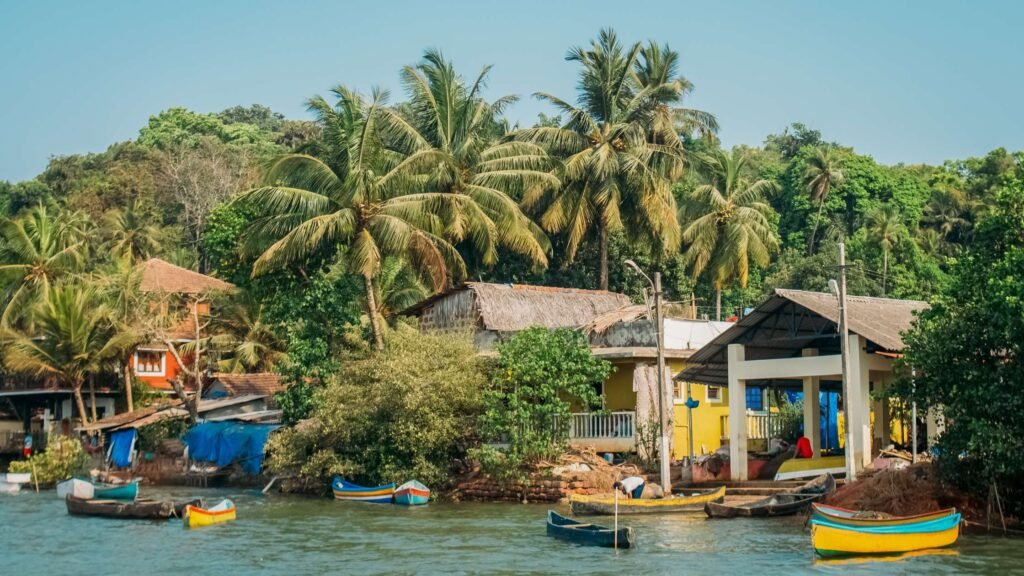
Your hotel matters more in monsoon than in any other season because you will spend more time in it. Pick a place with indoor dining, reliable power backup, cab access, covered parking, and a few cafes or restaurants within walking distance.
Panjim is the safest bet for a monsoon stay. It is central, well-connected, close to Fontainhas and Old Goa, and has the most food and cafe options in rain.
Candolim, Calangute, and Baga work well if you want North Goa beach access with better infrastructure. You will not swim, but beach walks are still easy and the cafe and nightlife scene stays alive through monsoon.
South Goa resorts are great for couples and honeymooners who want a quiet stay with room service, pool time, and the occasional outing. If you are considering a romantic monsoon trip, look at our Goa honeymoon packages that include curated stays and transfers.
Avoid very remote stays during monsoon. A beautiful villa on a hilltop sounds nice until you are stuck there in a downpour with no cab, no restaurant nearby, and intermittent electricity.
Monsoon Safety Tips for Goa Travellers
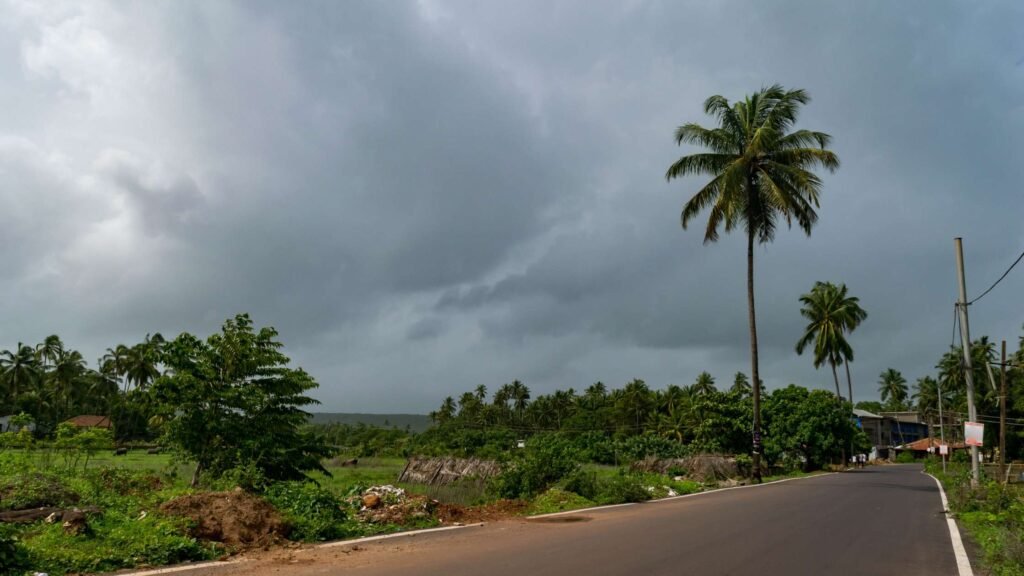
The monsoon is not dangerous if you use common sense, but here are the specifics.
Beach flags exist for a reason
Red means do not enter the water. Even when the flag is not red, the undertow during monsoon is strong enough to pull confident swimmers out. Do not test it. Swim only in lifeguard-supervised, marked zones. The Goa Tourism Department publishes safety advisories during monsoon that are worth checking before you head to the coast.
Fort walls and cliff edges are slippery
The old laterite stones at Chapora, Aguada, and Cabo de Rama get a layer of moss during monsoon. Wear proper shoes, not flip-flops. Stay away from unfenced cliff edges, especially on windy days.
Ghat roads need caution
If you are driving to Dudhsagar, Chorla Ghat, or the Valpoi rafting area, the roads wind through hills with sharp turns and occasional landslide patches. Go in a cab with an experienced local driver. Do not attempt these roads on a scooter.
Scooters in heavy rain are a bad idea
The roads in Goa are uneven, potholes fill with water and become invisible, and visibility drops fast in a heavy shower. If you insist on a scooter, stick to main roads during light rain and avoid riding after dark.
Do not drink and go near the sea
This sounds obvious, but every monsoon season there are incidents. The waves are stronger than they look, the rocks near fort walls and cliffs are slippery, and alcohol makes people overestimate their ability.
How to Get Around Goa in Monsoon
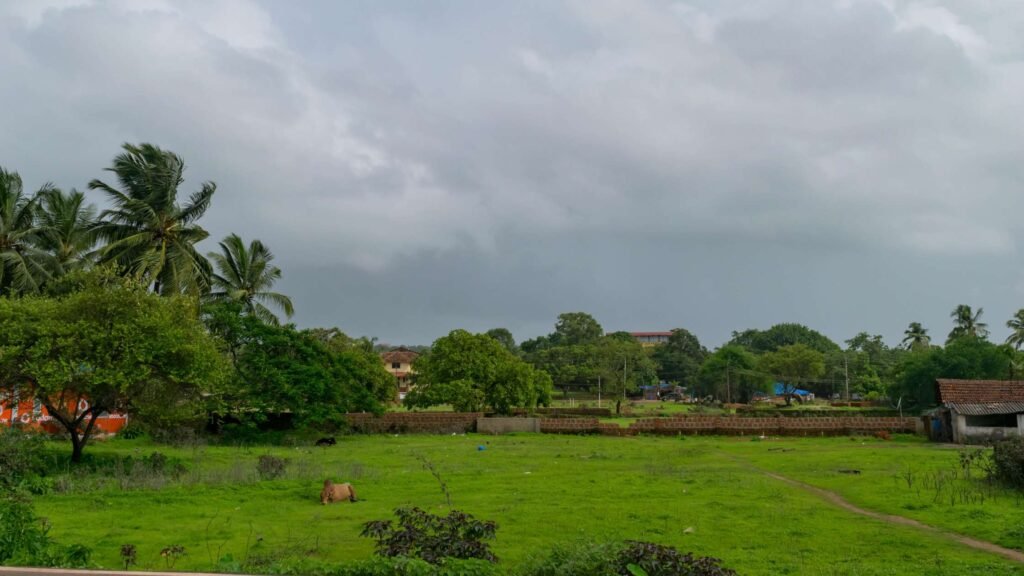
Goa does not have reliable public transport, and the monsoon makes this worse. Here is what actually works.
Private cabs are the safest and most flexible option. You book a car for the day and the driver adjusts the route based on weather. This is what we recommend for families, honeymooners, groups, and anyone travelling in July when the rain is heaviest.
GoaMiles is a government-backed taxi app. It works, but availability can be inconsistent outside Panjim and the main tourist belt. Use it for short rides within the city.
GTDC airport shuttles are the cheapest option between the airport and major tourist areas. ₹150 from Dabolim to Calangute, ₹100 from Dabolim to Panjim.
Self-drive rental cars work if you are comfortable driving on wet Goan roads. The rates are reasonable and you get the most freedom, but parking in Panjim and the beach belt can be annoying.
Scooters are the default Goa transport in dry season, but in monsoon our team does not recommend them unless you are an experienced rider sticking to short, familiar routes in light rain.
Who Should Book a Customized Monsoon Goa Package?
A customized package is not about luxury. It is about having someone who knows the ground handle the logistics so you do not waste rainy days figuring things out.
First-time visitors benefit the most because they do not know which activities are running, which roads are passable, or which hotels are genuinely good in monsoon. Honeymoon couples want romance, not logistics headaches.
Families with kids need a plan that is flexible enough to handle a rained-out morning without everyone getting cranky. Senior travellers need comfortable transfers and realistic distances. Groups travelling in July, the wettest month, need backup plans built into every day.
We handle verified openings, cab planning, weather-safe sightseeing routes, rafting availability checks, airport transfers, and backup plans for heavy-rain days. That is what we do.
If you are planning your monsoon break from Kolkata, explore our Goa tour packages from Kolkata for a trip that can be adjusted around June and July weather conditions.
Frequently Asked Questions
Is Goa worth visiting in monsoon?
Yes, if you plan for the right activities. Monsoon Goa is quieter, greener, and cheaper. It is not a beach holiday, but heritage walks, rafting, museums, food trails, and resort time make it a solid trip for couples, families, and slow travellers.
What are the best things to do in Goa in monsoon?
Mhadei river rafting, Fontainhas and Old Goa heritage walks, spice plantation visits, museum hopping at Goa Chitra and Museum of Goa, fort viewpoints, island drives, casino evenings, and Goan food trails. These work regardless of rain.
Is June good for Goa?
June is the start of monsoon and generally lighter than July. You get more dry windows, some activities are still transitioning into monsoon mode, and hotels are cheaper. It is the better month for a Goa June July trip if you want more outdoor time.
Is July good for Goa?
July works, but it is the wettest month with over 995 mm of rain. Build extra buffer days and lean heavily on indoor activities and cafting. The landscape is at its greenest, and hotel rates are at their lowest.
Are Goa beaches safe in monsoon?
Beaches are open for walking from 7 am to sunset. Swimming is risky. Follow lifeguard flags, stay in marked swim zones, and do not swim after sunset. The sea is rough and the undertow is strong on most monsoon days.
Can I swim in Goa during monsoon?
Only in lifeguard-supervised zones with a green or yellow flag. Red flag means no entry. Most days during peak monsoon have red flags out. Plan beach visits for walks and photos, not swimming.
Are water sports open in Goa during monsoon?
Water sports should not operate in unsafe weather, monsoon storms, or notified banned periods. When conditions allow, activity timing is 8 am to 6:30 pm or before sunset. Do not count on water sports being available in June or July.
Is Dudhsagar open in June or July?
The trekking route has a daily cap of 500 trekkers and costs ₹527 plus GST per booking. However, the jeep safari in June and July is best because monsoon closures and safety restrictions may apply. Check the current status before planning around it.
Is rafting open in Goa in monsoon?
Mhadei rafting runs during monsoon and costs ₹1,800 per person. The exact season start sources differ between June and July. Confirm availability before booking your dates.
Which is better in monsoon, North Goa or South Goa?
North Goa is better for variety, backup plans, cafes, nightlife, and easier transport. South Goa is better for quiet resort stays and couples who want peace. If you have 4 or more days, split between both.
Is Goa good for honeymoon in monsoon?
It is surprisingly good. Quiet resorts, empty beaches, dramatic weather, lower prices, and none of the December crowds. Couples who want privacy and do not need a party every night will enjoy monsoon Goa.
What can families do in Goa when it rains?
Museums like Goa Chitra and Museum of Goa, indoor cafes, spice plantation tours, casino visits for adults, and hotel pool time if the rain is warm. Keep a card game or movie downloaded as a backup for the heaviest downpour hours.
How many days are enough for Goa in monsoon?
Three nights and four days is the minimum. Four nights and five days is ideal because you get a buffer day for rain. Do not pack every day with activities. Leave room to adjust.
Should I rent a scooter in Goa during monsoon?
We do not recommend it. Wet roads, hidden potholes, poor visibility in heavy rain, and limited drainage make scooter riding risky. Use a private cab for sightseeing and keep the scooter for short rides in light rain if you are experienced.
What should I avoid in Goa during monsoon?
Avoid planning your trip around beach swimming, water sports, Dudhsagar jeep safaris, remote waterfall treks, and late-night scooter rides. These are unreliable or unsafe during peak monsoon. Stick to activities that work rain or shine.
Also Read: Places to Visit in Goa in July: 2026 Monsoon-Friendly Travel Guide