
Every year, as soon as the first proper monsoon showers reach Goa, travellers start asking us the same thing. “Can we still visit the beaches in June and July? Which beach is safe for a walk? Where should we stay if swimming is not allowed?” These are the right questions, because Goa in the monsoon is beautiful, but it is not the same beach holiday people imagine in winter.
Here is the truth. Monsoon beaches in Goa are not about water sports, long swimming sessions or sunbathing all day. The sea is rough, the red flags are common, and the weather can change quickly. But if you choose the right beach and the right stay area, Goa becomes peaceful, green and surprisingly romantic during the rains.
Quick Answer
The best beaches in Goa in monsoon are Agonda, Palolem, Benaulim, Colva, Candolim, Morjim, Ashwem, Mandrem, Varca and Cavelossim. These work well for walks along the shore, rain photography, café mornings and relaxed resort stays.
Monsoon beaches are not for swimming or water sports. The sea turns rough from June through September, red flags go up across most beaches, and lifeguards restrict water entry on most days.
If you are coming for a pool, a book, long walks on empty sand, and the greenest version of Goa you will ever see, monsoon is actually perfect.
South Goa works best for quiet couples and families who want peace. North Goa works better if you need open restaurants, easier taxis and some nightlife. We help travellers pick the right side every monsoon season.
WhatsApp Goa Travel Company with your travel dates, group size and stay preference. We will suggest the safest monsoon beach area for your trip. You can also browse our Goa tour packages to see what a planned monsoon trip looks like.
What Goa Beaches Are Really Like During Monsoon
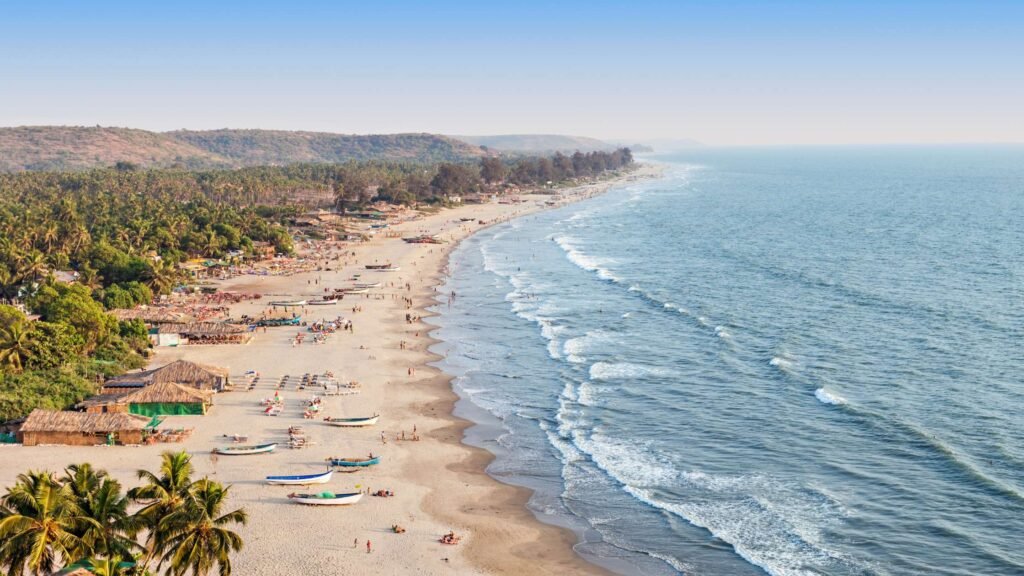
Most first-timers picture Goa beaches and think bright blue water, white sand, packed shacks and jet skis buzzing past. That is the November to March version. Monsoon Goa looks and feels completely different, and that is not a bad thing if you know what you are signing up for.
Goa’s monsoon runs from June to September. The temperature stays comfortable, generally between 24°C and 29°C according to Goa Tourism, so the heat is never unbearable. But the rain is real.
July is the wettest month with more than 995 mm of rainfall according to GTDC, and showers can arrive without warning and last anywhere from twenty minutes to half a day.
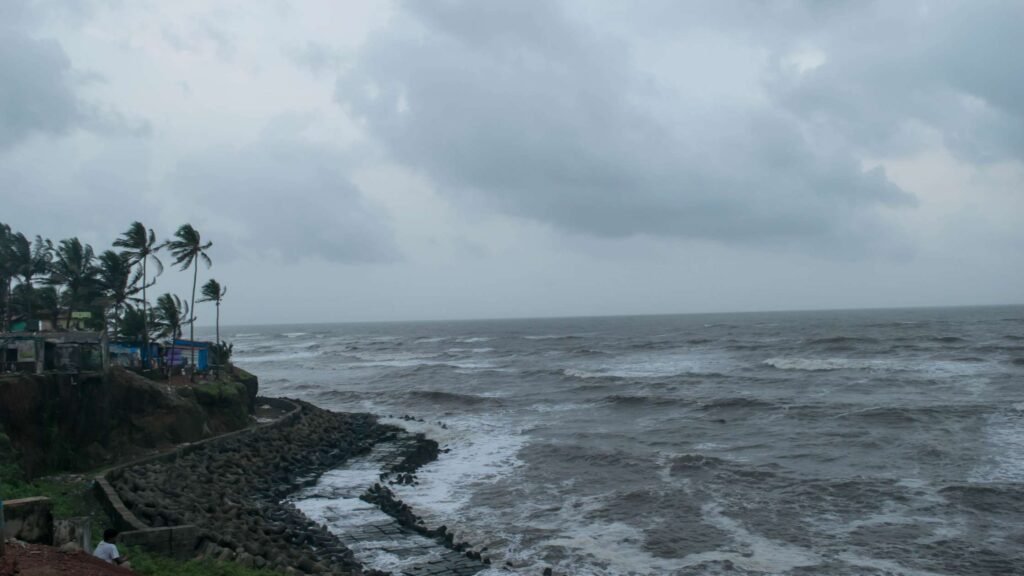
The beaches turn a different shade of beautiful. The sand darkens from wet rain, the hills behind the coast go deep green, rivers swell, and the whole coastline feels dramatic in a way the dry season never manages.
You will see fewer people on the sand, and on some South Goa beaches you might have the entire stretch to yourself on a weekday morning.
In our years of sending travellers to Goa during monsoon, the one thing that catches people off guard is how fast plans change. You wake up to clear skies, head to the beach at 9 AM, and by 10:30 AM it is pouring. The trick is to stay flexible. Keep rain backups ready, pick a hotel with good indoor spaces, and treat the beach as a bonus rather than the entire plan.
What most tourists get wrong about monsoon Goa is expecting a normal beach holiday with a bit of rain. It is not that. The sea is rough, many temporary shacks are closed, and swimming is off the table on most days.
But if you shift your expectations from “beach holiday” to “coastal getaway with the most dramatic weather, the cheapest hotel rates, and the emptiest roads you will find all year,” monsoon Goa actually delivers.
IMD’s 2026 monsoon forecast indicated the southwest monsoon was likely to reach Kerala around 4 June 2026. Goa typically follows within a week or two, but always check live local forecasts before you travel because arrival dates shift every year.
Can You Swim at Goa Beaches During Monsoon?
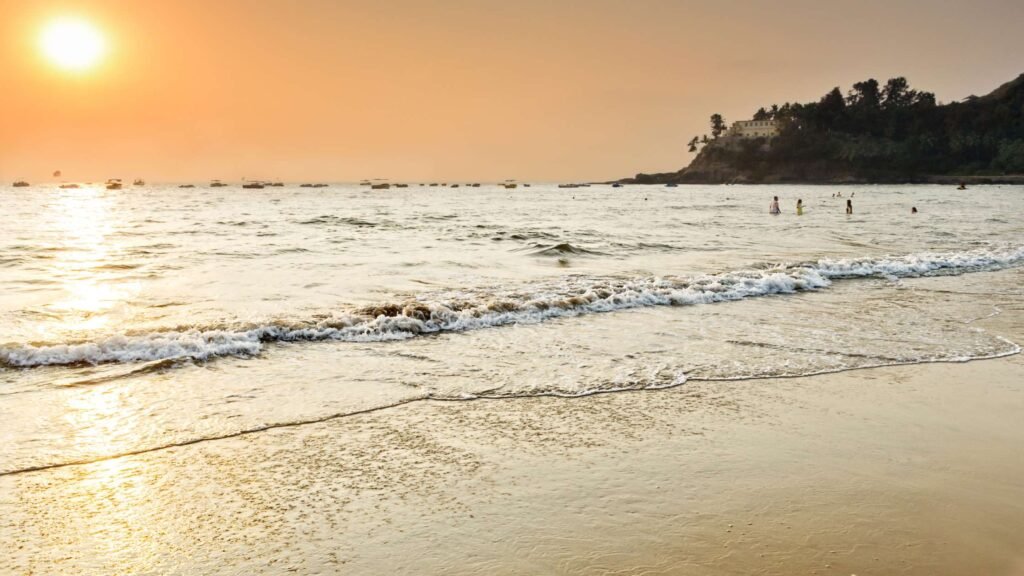
No. This is the most direct answer we can give, and we tell every single traveller the same thing. Do not plan a monsoon Goa trip around swimming.
Drishti Marine, the agency that manages lifeguard operations on Goa’s beaches, advises visitors to avoid swimming and water activities during rough-sea advisories until the advisory is lifted. During advisory conditions, they ask beachgoers to stay at least 10 metres away from the waterline.
Goa Tourism’s rules are equally clear. You should only swim in zones marked by dual red and yellow flags, and you should never enter water in areas marked by red flags.
During core monsoon months, red flags go up on most beaches most days. The currents are strong, the waves are unpredictable, and undertows pull even strong swimmers out fast.
Beaches remain open from 7 AM till sunset according to Goa Tourism, so you can absolutely walk on the sand, sit under a covered shack, and watch the waves. But getting into the water during monsoon is a real risk, not an adventure.
Goa Tourism also warns visitors to avoid damp rocky outcrops because breaking surf near rocks can turn dangerous quickly.
One more thing. Alcohol, drugs and smoking are prohibited on all Goa beaches and punishable by law. This applies year-round, but during monsoon when lifeguard visibility drops and weather changes fast, it matters even more.
Best Beaches in Goa in Monsoon for Walking and Relaxing
When we say “best” in monsoon, we mean good for walking on the sand when the rain pauses, good for views from a nearby café, good for photography, and good for staying at a property close to the shore. We do not mean swimming. Every beach on this list has a red flag on most monsoon days. Plan your visit around walks, food, and the view.
Agonda Beach
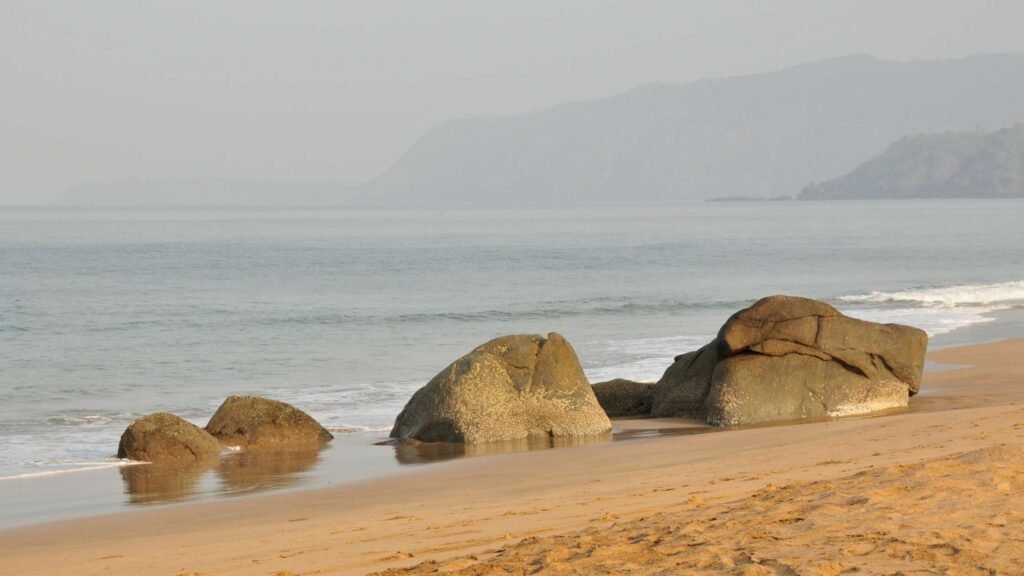
Agonda is the quietest popular beach in South Goa, and during monsoon it gets even quieter. The long stretch of sand sits between low green hills, and on a clear monsoon morning you can walk for twenty minutes without seeing another person.
This is the beach we recommend most for couples, honeymooners, and anyone doing a slow wellness-focused trip.
The village behind Agonda is small but has enough going on. A few year-round cafés stay open, you can get a decent breakfast and a coffee, and the pace is slow in a way that lets you actually switch off. If you are coming to Goa to do nothing and enjoy doing it, Agonda is the right call.
Our local tip: during heavy monsoon rain, choose a stay near the main village road rather than the very end of the beach or an isolated lane.
Power cuts happen, roads flood, and you want a property that has backup generators, easy taxi access, and is not a 15-minute walk from the nearest shop. Public beach entry fee and parking charges vary by season and location.
Palolem and Patnem are both close by, and the Cabo de Rama fort viewpoint is a short drive north. If you are planning a Goa honeymoon during monsoon, this corner of South Goa gives you more romance per rupee than anywhere else in the state.
Palolem Beach
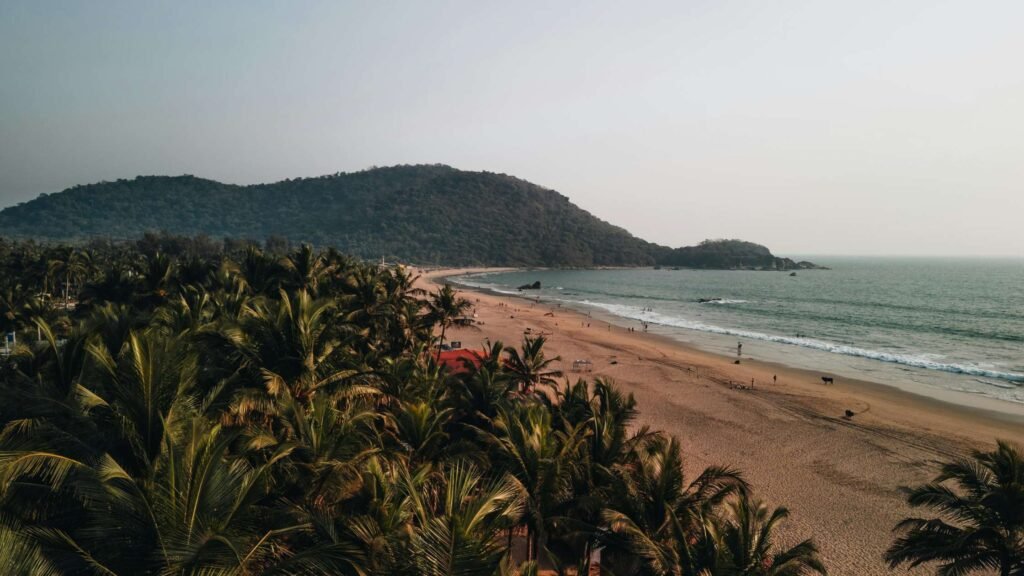
Palolem is a curved bay in South Goa that looks like someone drew a half-circle in the sand. Even in monsoon, the shape of the bay gives it a dramatic look, especially with dark clouds sitting over the headlands on either side.
The water turns grey-green and the waves crash harder than in season, but the beach itself stays walkable on most days.
The cafés along the Palolem main road stay open through monsoon, so you are never stuck without food or coffee. A few of the permanent restaurants serve solid Goan fish curry, cold beer, and have covered seating where you can watch the rain hit the beach.
One important note. Panaji to Palolem is around 70 km by road, and during monsoon that drive can take two hours or more depending on rain and traffic. The roads get slippery, visibility drops, and some stretches flood after heavy showers. Always travel during daylight hours.
Skip the temporary beach huts during peak rains. Those colourful bamboo and wooden huts that line Palolem from November to May are dismantled before monsoon. Book a proper hotel, villa or resort with solid walls, a roof that does not leak, and working air conditioning. Monsoon humidity is real and you will want a good room to come back to.
Benaulim Beach
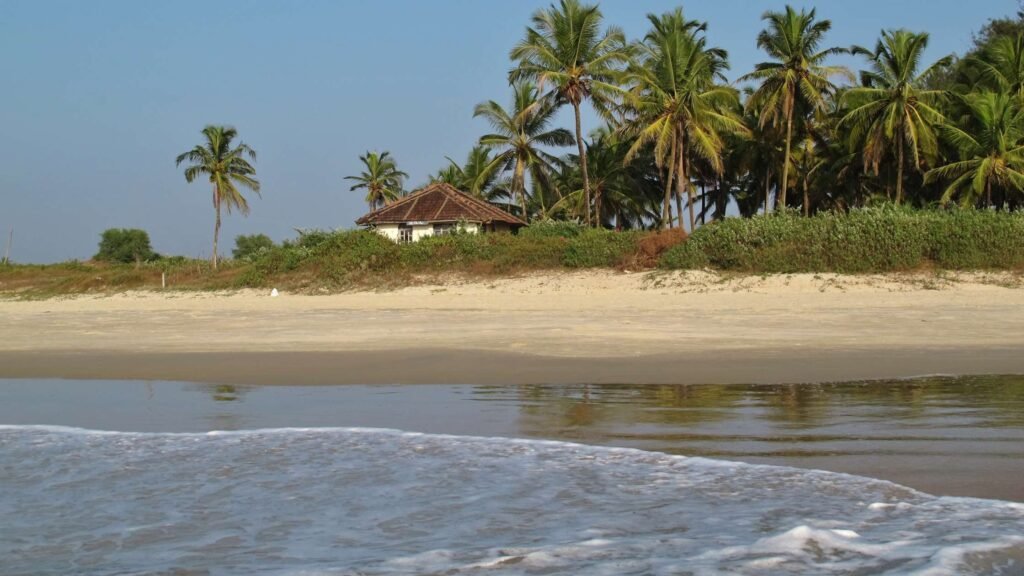
Benaulim is one of those South Goa beaches that families and older travellers quietly love. It does not have the Instagram fame of Palolem or the party energy of Baga, but it has a flat, wide stretch of sand that is easy to walk even with kids or elderly parents.
Madgaon to Benaulim is around 5 to 6 km, which means you are close to a proper town with markets, pharmacies, ATMs and hospitals. During monsoon, this kind of access matters more than a pretty view. If someone falls sick or you need supplies, Margao is right there.
Benaulim works best for families who want peace without feeling completely cut off. A few local restaurants stay open through the rains, and the beach road has enough going on to keep evenings from feeling dull.
If you are planning a family trip, our Goa family tour packages include Benaulim stays with tested properties that handle monsoon well.
Colva Beach
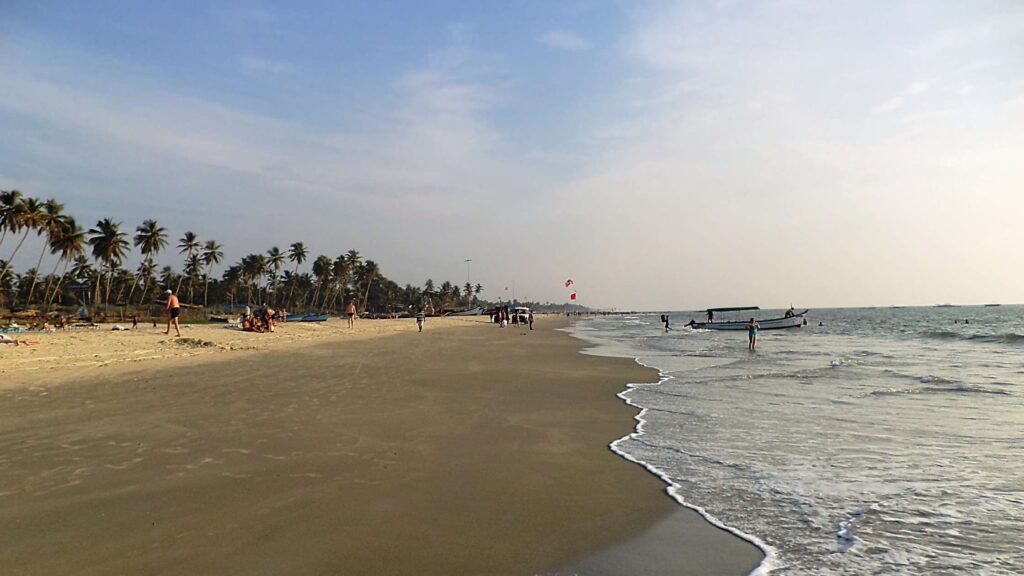
Colva is South Goa’s most accessible beach. The South Goa district lists it as 39 km from Panaji, though some route sources show around 33 km depending on which road you take. Either way, it is an easy drive and the road is well-maintained even during rain.
Colva is good for convenience, not complete seclusion. If you want to walk on the beach in the morning and then go shopping in Margao by afternoon, Colva gives you that flexibility. The beach has a proper approach road, parking, and a few year-round eateries nearby.
Fair warning: on clear weekends even during monsoon, Colva gets a decent amount of local footfall. If you want an empty beach all to yourself, Agonda or Varca will serve you better. Colva is the practical choice, not the romantic one.
Candolim and Sinquerim
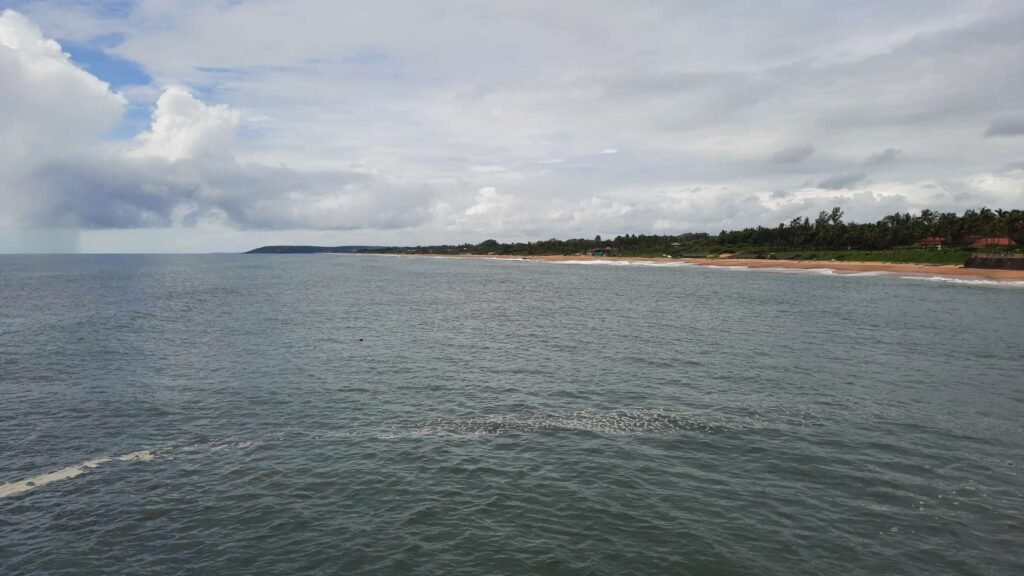
Candolim is the first beach you hit coming from Panaji, and GTDC calls it the gateway to other famous North Goa beaches. During monsoon, Candolim works better than most North Goa beaches because it has proper resorts, open restaurants, functioning taxis and easy access to Fort Aguada.
We recommend Candolim for first-time monsoon travellers who do not want to feel isolated. The restaurants on the Candolim-Calangute road stay open through the year, you can get a cab to Panaji in under 30 minutes, and there are enough cafés and bars to keep your evenings interesting even when the beach itself is under a red flag.
Sinquerim sits just below Fort Aguada and has some of North Goa’s best resort properties. If your idea of a monsoon trip is a good hotel, a heated pool, room service and an evening walk to the fort, Sinquerim delivers exactly that.
Morjim, Ashwem and Mandrem
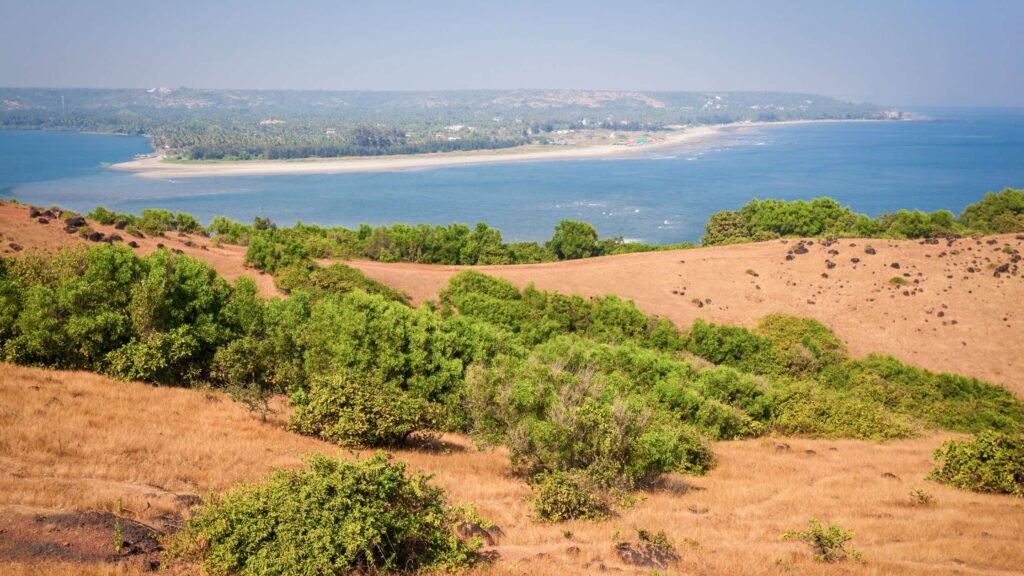
Morjim, Ashwem and Mandrem are three beaches in a row along North Goa’s quieter northern stretch. These are wide, sandy, and during monsoon they feel almost abandoned. Photographers love this stretch because the combination of empty sand, dark skies, and green backdrops gives you shots that do not look like typical Goa at all.
A few wellness retreats and year-round cafés stay open here through the rains, but you need to check before booking. Not everything that runs in peak season survives monsoon. Call the property directly and ask if their restaurant is operational and whether they have power backup.
Safety note: avoid walking the isolated stretches of these beaches after dark or during heavy rain. Stick to the sections close to your hotel, carry a phone with a charged battery, and do not wander toward the river mouths where currents can be unpredictable.
Varca and Cavelossim
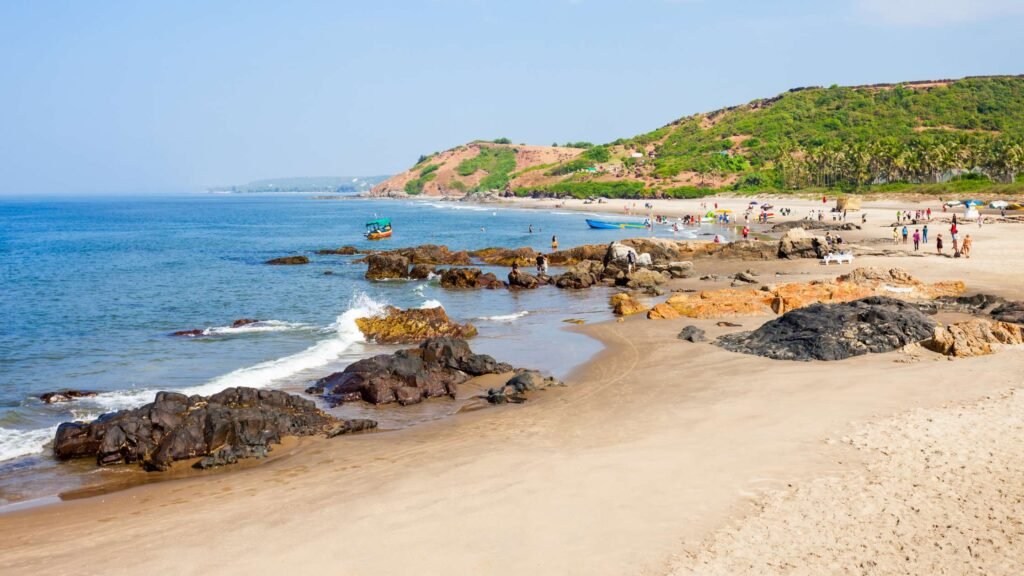
Varca and Cavelossim are where South Goa’s big resort properties sit. If you want a five-star monsoon holiday with a pool, a spa, indoor dining and a beach you can see from your balcony, this is the area to book. The resorts along this stretch handle monsoon well because they are built for it.
Beach walks here are beautiful when the weather cooperates. The sand is pale even when wet, the crowd is almost zero, and the luxury properties light up nicely at night. For honeymooners who want privacy and comfort, or families with young children who need resort amenities, Varca and Cavelossim are the safest bets in monsoon.
Choose a property with indoor dining options, power backup, cab support and easy road access. During a week-long monsoon stay, you will have at least two or three days of heavy rain where you do not leave the hotel, and the hotel needs to make those days enjoyable too. Our luxury Goa vacation packages focus on exactly these properties.
Cabo de Rama, Cola and Butterfly Beach
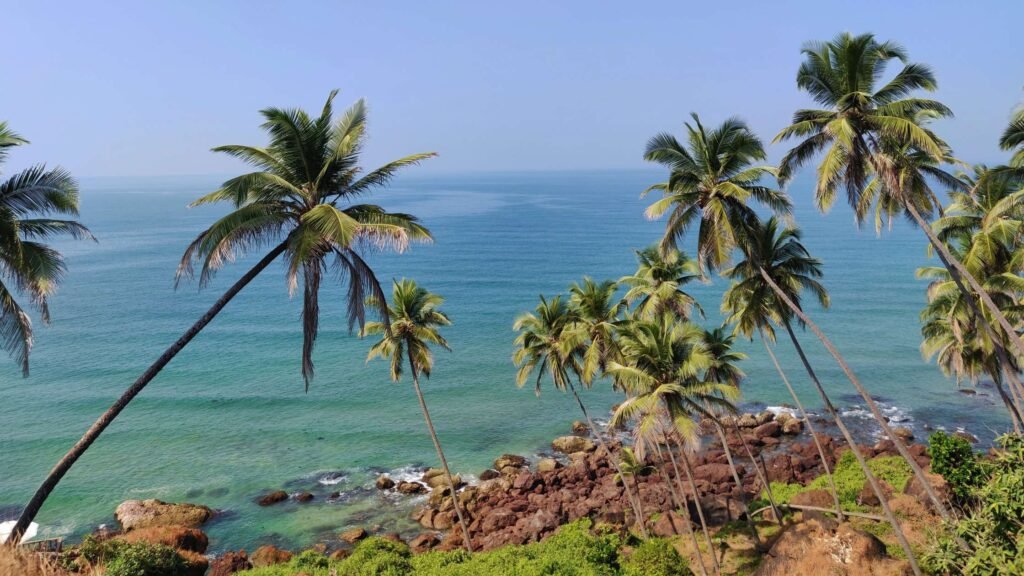
Cabo de Rama, Cola and Butterfly look incredible in photos, and during monsoon the cliffs and greenery make them even more dramatic. But these are not casual beach visits. They are viewpoint and photography excursions, and only on clear-weather days.
The paths to Cola and Butterfly are steep, rocky and turn slippery after rain. We have had travellers twist ankles and get stuck on the trail during unexpected showers. The access roads to Cabo de Rama fort can also get waterlogged during heavy rain weeks.
Our advice: visit these only when you get a clear weather window, go with a local driver who knows the roads, do not attempt the hike to Butterfly Beach in wet conditions, and treat these as a bonus excursion rather than a core part of your itinerary. If the weather says no, respect it and spend the day at a café instead.
North Goa vs South Goa Beaches in Monsoon
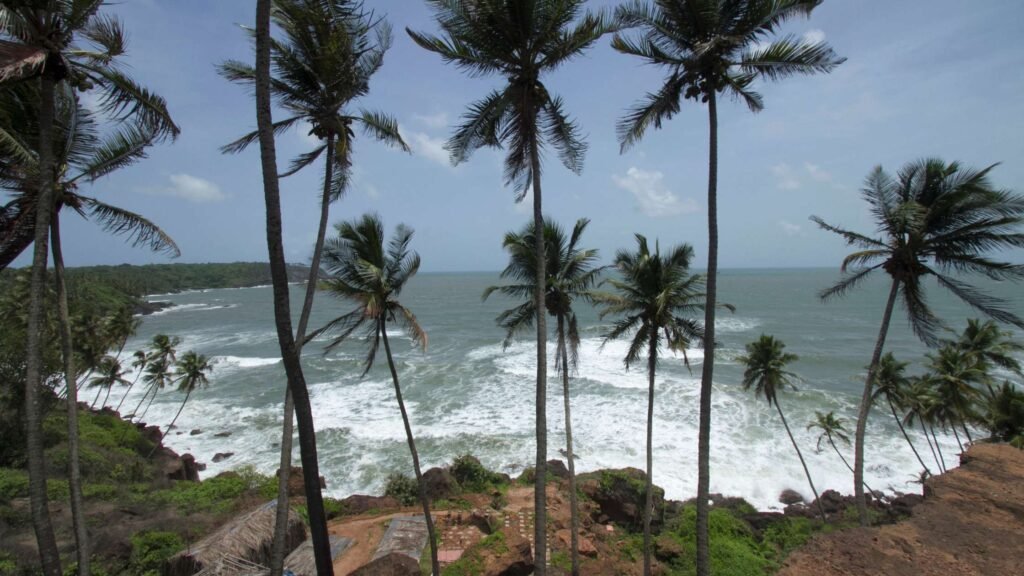
This is the question we get more than any other from monsoon travellers: should I stay in North Goa or South Goa?
North Goa works better if you want open cafés, working restaurants, easier taxis, some nightlife and the comfort of knowing that things are still running around you.
Candolim, Baga and Calangute keep enough establishments open through monsoon that you will not feel like you landed in a ghost town. First-time monsoon travellers and groups usually prefer North Goa because the infrastructure holds up better.
South Goa works better if you are a couple looking for quiet romance, a family that wants slow resort days, or anyone who finds crowds draining. Benaulim, Varca, Agonda and Palolem all go very quiet in monsoon, and if that silence is what you want, South Goa delivers it beautifully.
The honest downside of South Goa in monsoon: do not pick it if you need constant nightlife or many open restaurants within walking distance. Some South Goa stretches can feel isolated after dark during heavy rain, especially the far southern beaches. If that sounds uncomfortable, stay North.
If you are travelling from Kolkata and are still deciding where to stay, explore our Goa tour packages from Kolkata to compare trip options that can be planned around your preferred beach area, travel dates and stay style.
Planning Goa in June, July, August or September? WhatsApp us and our local team will help you choose between North Goa and South Goa based on your dates, your rain comfort, and your hotel style.
Where to Stay Near Beaches During Monsoon
Candolim
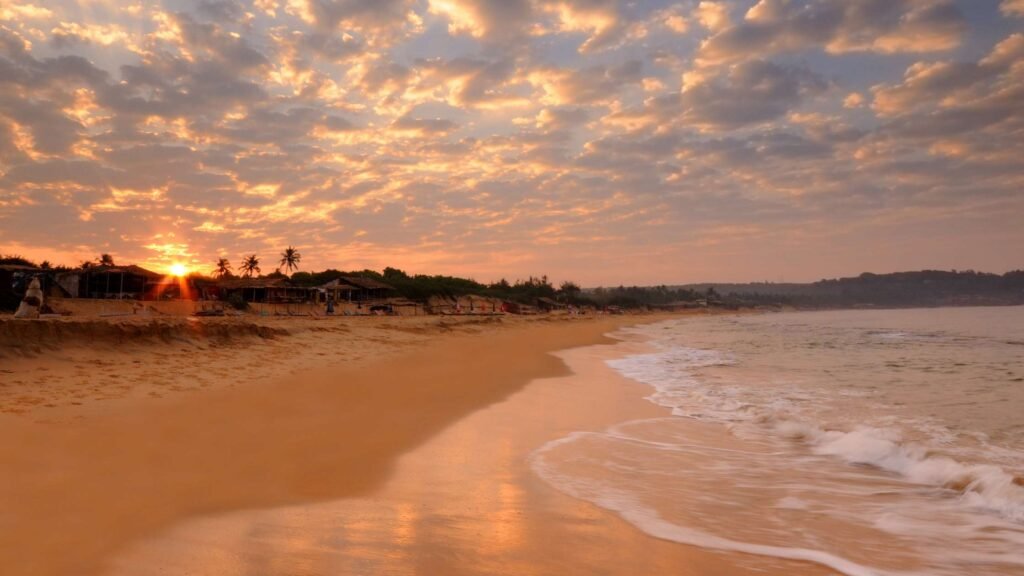
Candolim is our default recommendation for travellers who want balanced North Goa comfort. It has resorts, restaurants, Fort Aguada nearby, and enough going on to fill your evenings without the crowd pressure of Baga or Calangute.
Baga and Calangute
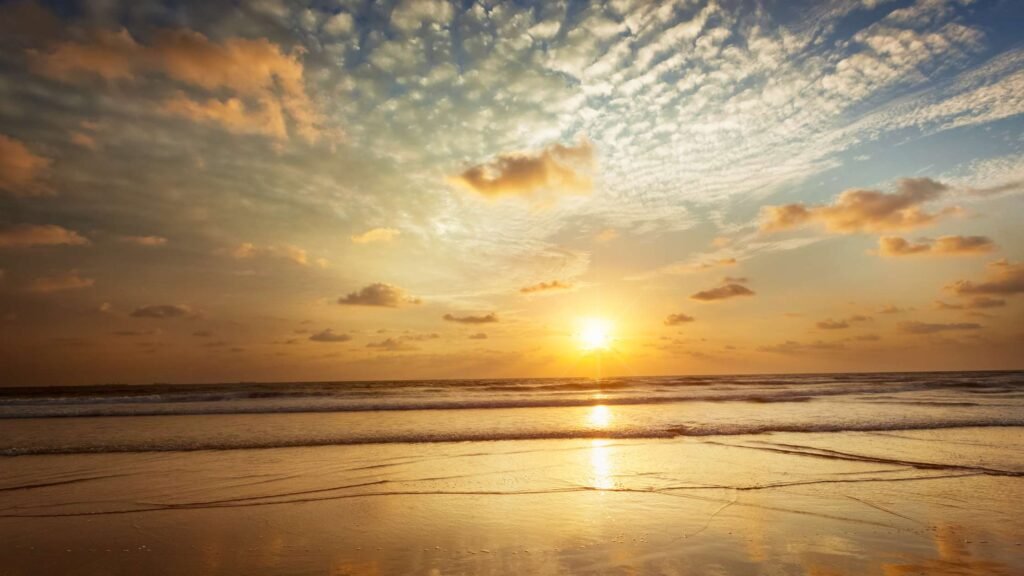
Baga and Calangute work if you want more open restaurants and nightlife options. The trade-off is that even in monsoon, these areas see more tourist and local traffic than other parts of the coast. The energy is louder, which some groups prefer.
Morjim and Ashwem
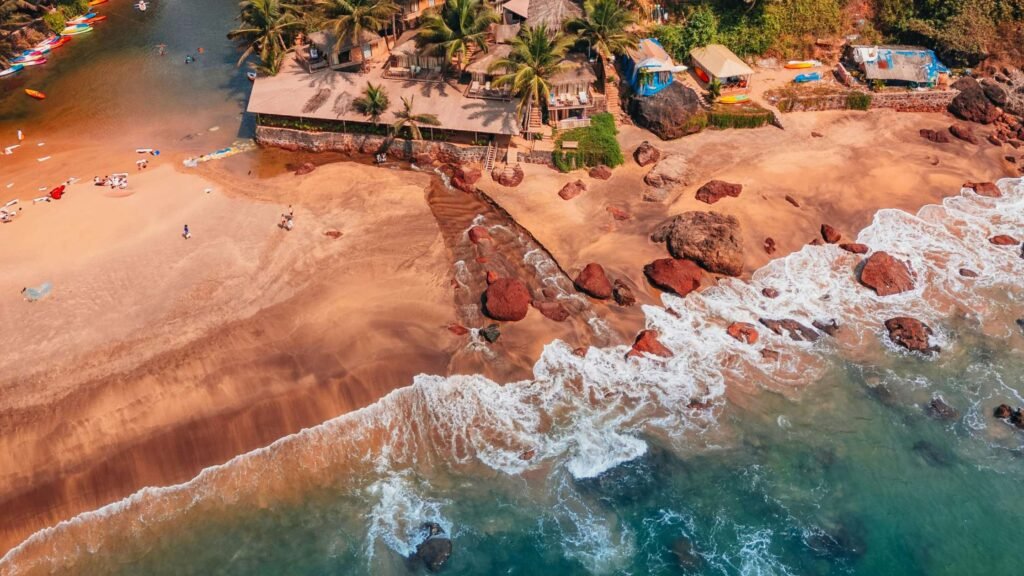
Morjim and Ashwem suit travellers who want North Goa’s location advantage but with quieter surroundings. Check that your chosen property is fully operational before booking. A closed restaurant or a broken generator in monsoon can ruin your stay.
Benaulim, Varca and Cavelossim
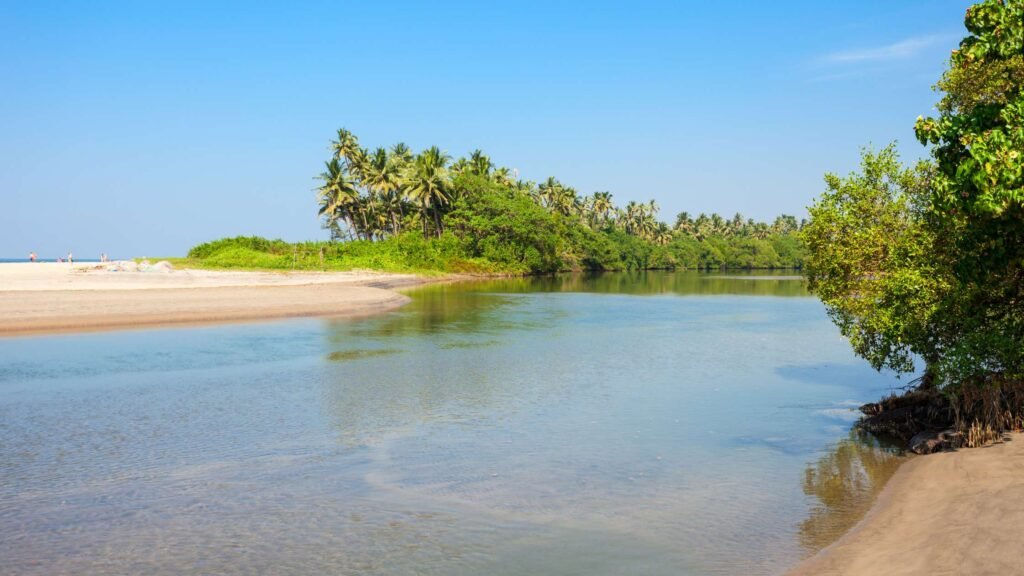
Benaulim, Varca and Cavelossim are the South Goa picks for families and resort-style stays. Proximity to Margao gives you practical access to shops and transport that other South Goa beaches lack.
Agonda and Palolem
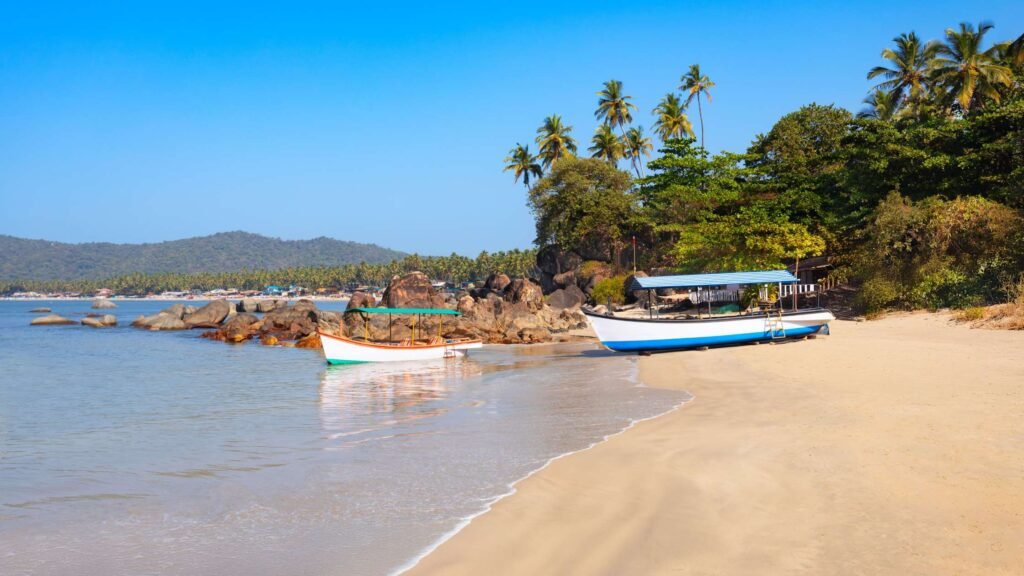
Agonda and Palolem are the deep South Goa options for slow travel. Only book here if you are genuinely comfortable with quiet surroundings, limited dining options, and the possibility of being stuck indoors for a full day during heavy rain.
One thing we always tell our monsoon travellers: pick a stay with power backup, indoor dining and cab support. These three things separate a comfortable monsoon trip from a miserable one.
What Not to Expect at Goa Beaches in Monsoon
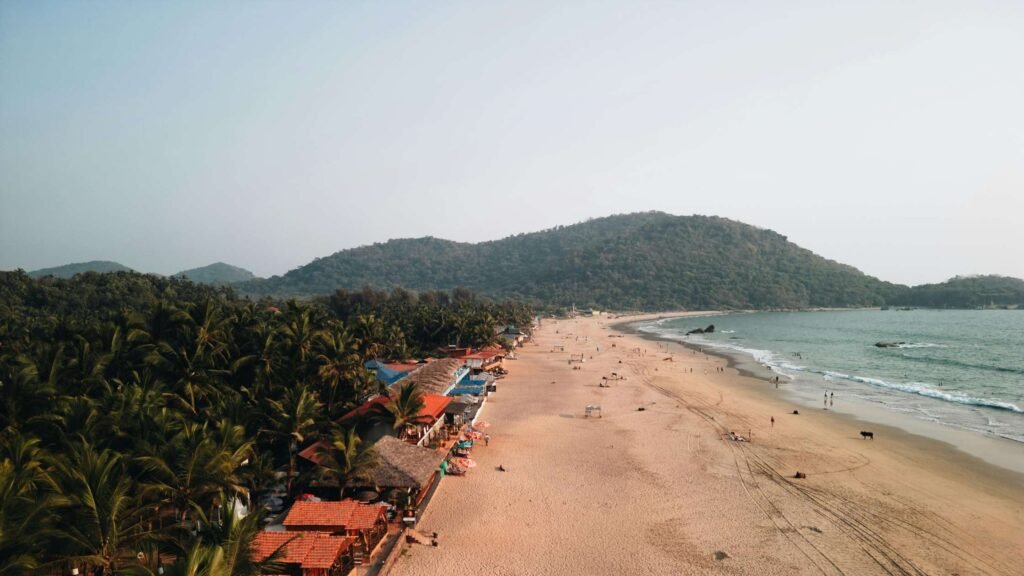
Do not expect normal swimming. Do not expect parasailing, jet skiing, banana boat rides or any water sports. Do not expect the beach shacks that line the sand from November to May.
Under Goa’s 2023 to 2026 shack policy, beach shacks must stop operations by 31 May and structures must be removed by 10 June. Those colourful wooden shacks you see in photos do not exist during monsoon.
Permanent restaurants and cafés on the approach roads and village streets may still operate, and many do. But the temporary beach shacks right on the sand will not be there.
If your idea of Goa involves eating fish curry with your feet in the sand, you need to come between November and April for that experience.
Expect cloudy skies more often than clear ones. Expect wet sand. Expect sudden rain that changes your afternoon plans in ten minutes.
Expect slippery rocks near headlands and river mouths. If all of that sounds acceptable, monsoon Goa will treat you well. If it sounds like a compromise, book your trip for October instead.
Best Time of Day to Visit Beaches in Monsoon
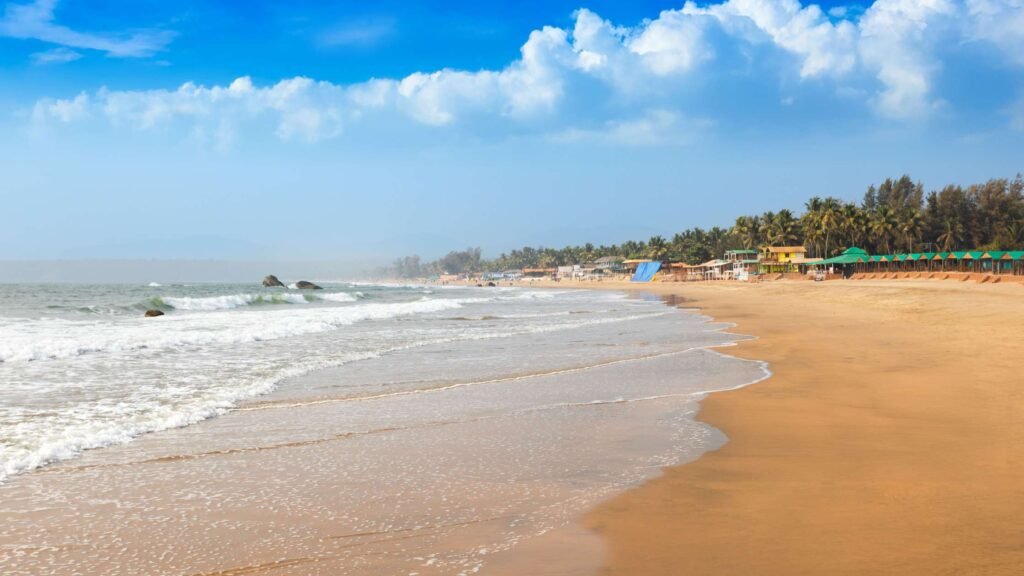
Goa Tourism says beaches are open from 7 AM till sunset and closed from sunset to 7 AM the next morning. During monsoon, this matters more because visibility drops fast after dark and lifeguard cover ends at sunset.
Early morning is your best window. If the sky is clear at 7 AM, head straight to the beach. Morning walks on wet sand with nobody around you are the single best thing about monsoon Goa. The light is soft, the air smells like rain and salt, and the whole coastline feels like it belongs to you.
Late afternoon walks work too, but only if the skies are clear. Rain usually picks up intensity between 2 PM and 5 PM during peak monsoon weeks, so check the sky before you head out. Avoid the beach after dark, during storms, and right after heavy rain when the sand can be littered with debris washed in by the tide.
Family, Couple and Group Recommendations
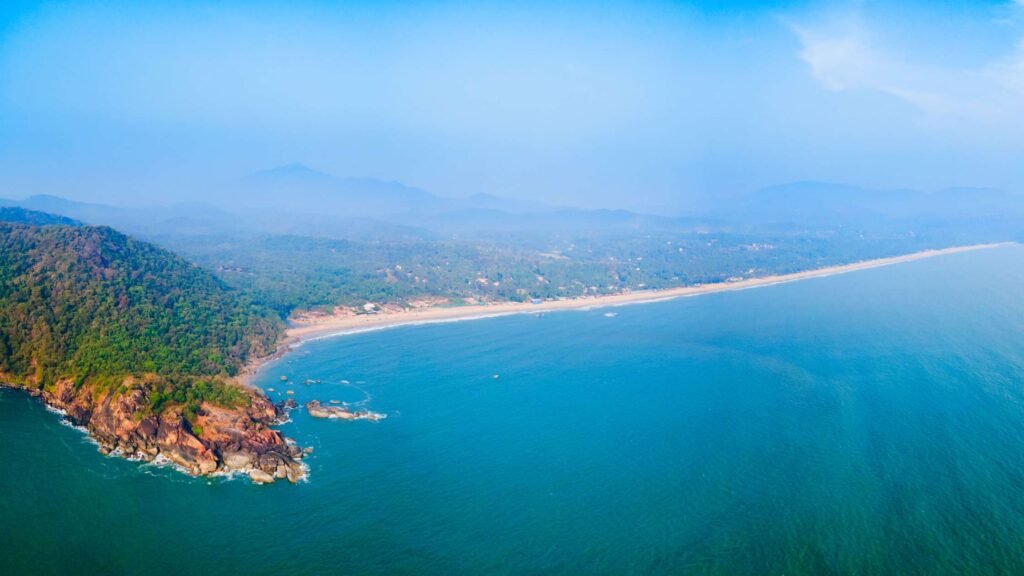
Best Beaches in Goa in Monsoon for Families
Benaulim, Colva, Candolim and Varca are the strongest picks for family beaches in the Goa rainy season. These beaches have good road access, nearby medical facilities, family-friendly hotel options and enough restaurants to keep meals sorted. Families with young children or elderly members need easy logistics, and these four deliver that.
Skip the remote southern beaches with kids. A steep trail to Cola Beach or an isolated shack at Butterfly is not a family-friendly plan in monsoon. Stick to beaches where a taxi can reach your hotel, a doctor is within 30 minutes, and your hotel has a backup plan for rainy days.
Best for Couples
Agonda, Palolem, Ashwem and Cavelossim are the romantic beaches in Goa during monsoon. Couples do well with quieter stays, smaller boutique properties, and the kind of privacy that monsoon naturally provides. An empty beach at sunset with dark clouds rolling in overhead is more romantic than a crowded shack in December.
Pick comfort and safe access over isolated adventure. A cute eco-cottage sounds great until the power goes out at midnight and the nearest restaurant is a 20-minute walk through flooded lanes. Choose properties with solid reviews for monsoon stays.
Best for Groups
Candolim, Baga, Calangute and Morjim work for groups. Groups need open cafés, functioning taxis, restaurants that seat 8 or more, and backup nightlife options for rainy evenings. North Goa gives you all of that even in monsoon. South Goa will bore most groups by day two if the rain is heavy.
Best for Seniors
Benaulim, Varca and Candolim are the safest choices for seniors. Easy road access means no steep climbs or slippery trails. Resort facilities handle indoor days well. Good medical access matters more for older travellers, and all three are close to hospitals and pharmacies. Indoor dining, power backup and gentle walking paths along the beach complete the picture.
Monsoon Beach Safety Checklist
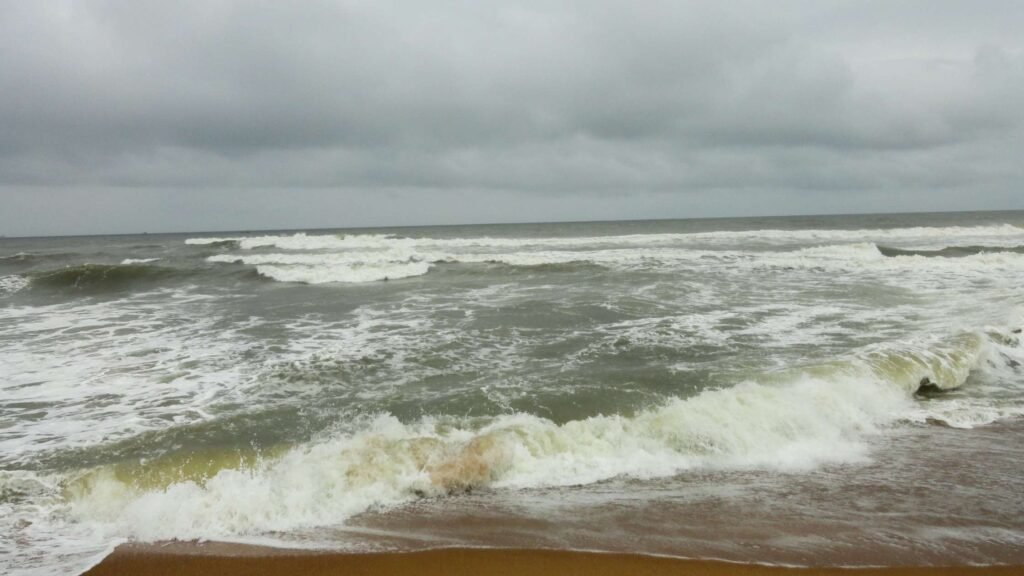
Understand the flag system before you step on any beach. Drishti Marine uses coloured flags and each one means something specific. A red flag means danger zone and you should not go near the water.
Red and yellow flags together mark a designated swim zone where lifeguards are watching. A yellow flag means you can go in only up to knee level because of rough undercurrents. A black and white flag marks a water-sports area where swimmers should not enter.
During monsoon, red flags dominate. Respect them. No selfie, no dare, no “the waves look fine” moment is worth the risk. We have seen too many close calls over the years, and every single one involved someone who ignored a red flag.
Keep children close to you at all times and never let them go near the waterline unsupervised. Stay away from rocks and rocky outcrops, especially wet ones. Avoid alcohol near the water.
Carry your phone, wallet and camera in a rainproof bag or dry pouch. Wear shoes with good grip because wet sand, algae-covered paths and slippery laterite can send you down fast.
Do not visit isolated beaches after dark. Do not walk along unfamiliar stretches alone during heavy rain. And if lifeguards tell you to move back, move back. They are there every day, they know these waters, and they are not being dramatic.
Suggested 3 Day Monsoon Beach Itinerary
Day 1
Day 1 starts in North Goa. Head to Candolim for a morning beach walk if the weather allows, then drive to Sinquerim and walk up to Fort Aguada. The fort looks incredible in monsoon with clouds sitting low behind it and the Mandovi river churning below. Finish the evening at a café or restaurant on the Candolim strip. Keep dinner flexible because rain might push your plans indoors.
Day 2
Day 2 moves to South Goa. Drive to Benaulim for a quiet morning walk, then continue to Varca and Cavelossim. If you are staying at a resort here, use the pool, the spa and the indoor dining options. A relaxed resort dinner is a better plan than trying to find an open shack on the beach in monsoon rain.
Day 3
Day 3 goes deeper south. Visit Palolem for a walk along the curved bay, then drive to Agonda for a late morning coffee at one of the village cafés. If the weather is clear, you can take a short drive to the Cabo de Rama viewpoint for dramatic cliff views. If it is raining, skip the viewpoint and spend the time at a café instead.
Rain backups for any day: walk through the colourful lanes of Fontainhas in Panaji, visit the Old Goa churches, tour a spice plantation, try a casino evening, explore local markets in Margao, or settle into a restaurant for a long Goan lunch.
Here is a money-saving tip that only works in monsoon: hotel rates drop 30% to 50% across Goa between June and September. The same resort room that costs you ₹8,000 a night in December might go for ₹4,000 to ₹5,000 in July. You get the same property, the same pool, the same food, just without the crowd and the peak-season price tag.
And one thing to skip: do not waste time and money going to multiple beaches in one day hoping to find one that is “open for swimming.” None of them will be swimmable on a rough-sea day, and you will just spend hours in a taxi on wet roads feeling frustrated. Pick one beach area per day, stay close, and enjoy what monsoon actually offers.
What we always tell our travellers is this: keep your first monsoon evening completely free. Flights get delayed during rain, the airport transfer takes longer on wet roads, and nobody enjoys a packed schedule on arrival day.
Land, check in, and find the nearest café with a covered terrace. That first cup of chai watching the rain fall on a Goa street is worth more than any sightseeing checklist.
For proper Goan food during your monsoon trip, skip any restaurant that markets itself to tourists and head to a local eatery near Margao market or in the lanes behind Benaulim’s main road.
A full fish thali with curry, rice and fried fish costs around ₹250 to ₹350 and tastes better than anything the beachfront joints serve at twice the price.
We broke down every major beach side by side in our guide to the best beaches in Goa if you want the full picture before you pick a side.
Frequently Asked Questions
Which is the best beach in Goa during monsoon?
Agonda is our top pick for couples and solo travellers. Benaulim works best for families. Candolim is the safest choice for first-time monsoon visitors because it has the most open restaurants, resort options and taxi access. All three are great for walks and relaxation but none are safe for swimming during monsoon.
Can we swim in Goa in monsoon?
No. Drishti Marine advises visitors to avoid swimming during rough-sea advisories, and red flags go up across most beaches from June through September. The currents are strong and unpredictable. You can walk on the beach and sit near the shore, but do not enter the water.
Are Goa beaches open in July?
Yes. Goa beaches are open from 7 AM till sunset year-round according to Goa Tourism. July is the wettest month with more than 995 mm of rainfall, so expect rain, red flags and rough seas. The beaches are open for walking, not swimming.
Are beach shacks open in Goa during monsoon?
Temporary beach shacks must stop operations by 31 May and structures must be removed by 10 June under the 2023 to 2026 shack policy. The shacks you see in season photos will not be there. Permanent restaurants and cafés on nearby roads may still operate.
Is North Goa or South Goa better in monsoon?
North Goa is better for first-timers, groups and people who want open restaurants and nightlife. South Goa is better for couples, families and anyone who wants quiet resort stays and empty beaches. Choose based on what you need around you, not just the beach itself.
Is Palolem good in monsoon?
Palolem is beautiful for walks and rain views, but the temporary huts are dismantled before monsoon and swimming is not safe. Stay at a proper hotel or resort, not a beach hut. The drive from Panaji is around 70 km and can take over two hours in rain.
Is Candolim good during monsoon?
Candolim is one of the best monsoon choices in North Goa. It has year-round restaurants, resort properties, easy taxi access and Fort Aguada nearby. You will not feel isolated here even during heavy rain weeks.
Which Goa beach is best for families in rainy season?
Benaulim, Colva, Candolim and Varca are the strongest family picks. They offer easy road access, nearby medical facilities, family-friendly hotels and enough open restaurants to keep meals sorted. Avoid remote beaches with steep trails or isolated access roads.
Are water sports open in Goa during monsoon?
No. Parasailing, jet skiing, banana boats and all other water sports shut down during monsoon because the sea is too rough. Water sports restart after September when conditions improve. Do not plan a monsoon trip around water sports.
Is Goa good for honeymoon in monsoon?
Yes, if you want privacy, low prices and empty beaches. Agonda, Palolem, Ashwem and Cavelossim are all romantic during monsoon. Hotel rates drop significantly, the crowds disappear, and the green lush coastline makes for great couple photos. Just plan around rain and skip the swimming.
Are hidden beaches safe during monsoon?
No. Beaches like Cola, Butterfly and other secluded spots have steep trails, rocky access and isolated locations that become dangerous after rain. Paths get slippery, mobile signal drops, and help is far away. Visit these only in clear weather with a local driver and skip them entirely if it is raining.
What should I wear for Goa beach walks in monsoon?
Wear quick-dry clothing, good grip shoes or sandals with straps, and carry a light rain jacket or poncho. Leave leather shoes and fancy sandals at the hotel. The sand is wet, paths are slippery and you will get rained on at some point. A waterproof pouch for your phone and wallet is essential.
Which month is best for monsoon beaches in Goa?
September is the safest bet. The rain starts easing, you get more clear-weather windows, and hotels still offer off-season rates. June is the start of monsoon and unpredictable. July and August bring the heaviest rain. If you are comfortable with rain, any month works.
Where should I stay in Goa during monsoon?
Candolim for balanced North Goa comfort. Baga or Calangute for nightlife and restaurants. Benaulim or Varca for family resort stays. Agonda or Palolem for quiet couples trips. Pick a property with power backup, indoor dining and cab support.
Can Goa Travel Company plan a safe monsoon beach holiday?
Yes. We plan monsoon Goa trips every year and know exactly which properties handle the rains well, which roads flood, and which beaches are walkable on any given week.
Also Read: Are Water Sports Open in Goa in June and July? Honest 2026 Guide